- Shehr Yar
- 14 April, 2026
Every business that operates online needs a website that works.
There is a big difference between a website that simply exists and one that actually performs. Understanding this difference is the purpose of this website development guide.
Building a website is not a single decision. Instead, it is a series of decisions that affect performance, user experience, and search visibility.
Businesses that understand this process make better choices. On the other hand, those who skip planning often end up with a website that exists but does not deliver results.
What Website Development Actually Involves
Website development is often confused with design. However, they are not the same.
Design focuses on how a website looks. Development focuses on how it works.
A visually attractive website without strong development can be slow, insecure, and difficult to manage. At the same time, a technically strong website with poor design may fail to engage users.
Therefore, both design and development must work together
Phase One: Planning Before Building
Most mistakes happen before development even begins.
When goals are unclear, the entire project becomes difficult. Therefore, planning is essential.
A business should clearly understand:
- What the website is meant to achieve
- Who the target audience is
- What action users should take
These answers guide the entire structure of the website.
For example, a lead generation website is very different from an e-commerce store. Planning ensures the right direction from the start.
Phase Two: Choosing the Right Platform
The platform defines how flexible and scalable a website will be.
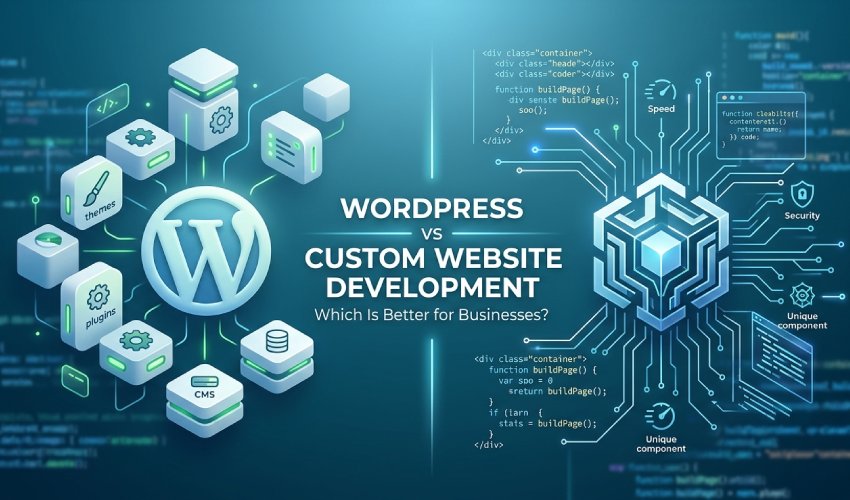
For many businesses, WordPress is a strong choice. It offers flexibility, ease of use, and a large ecosystem.
However, some businesses need custom solutions. These are better for complex features and advanced integrations.
The key is to choose based on business needs, not trends.
Phase Three: Design With Purpose
Design is not just about appearance. It is about communication.
Every design choice affects how users interact with the website. Layout, typography, and colors all guide attention.
A well-designed website feels clear and easy to use. It highlights important content and guides users toward action.
Good design also focuses on mobile experience. Today, most users access websites from their phones. Therefore, mobile design must come first.
At Shehryar Dev, design decisions are always aligned with user behavior and business goals.
Phase Four: Performance and Technical Foundations
A fast and secure website is essential.
Performance affects both SEO and user experience. A slow website loses visitors quickly.
Technical foundations include speed, security, and SEO structure. These elements ensure the website runs efficiently and ranks well in search engines.
For example, proper image optimization, clean code, and fast hosting improve load times. Similarly, correct SEO setup helps search engines understand the website.
These are not optional features. They are part of a well-developed website.
Ongoing Maintenance: Why a Website Is Never Finished
Many businesses think a website is complete after launch. However, that is not true.
Websites need continuous updates.
Content becomes outdated. Plugins require updates. Security risks can appear over time.
Without maintenance, even a good website can lose performance and rankings.
At Shehryar Dev, website development includes ongoing support. This ensures the website continues to perform well over time.
Conclusion
This website development guide explains what it takes to build a successful business website.
From planning and platform selection to design and performance, every step matters.
The most successful websites are not always the most expensive. Instead, they are built with clear goals and smart decisions.
A website should not just exist. It should work, perform, and support business growth.

Related Post